HOW IS DA NANG BECOMING AN INTERNATIONAL CULINARY DESTINATION?
From Vietnamese to Thai cuisine, steak, and Izakaya, discover how Da Nang and the An Thuong area have formed an international culinary destination by the sea.

A culinary city isn't just made up of a few famous dishes. It needs authentic local cuisine, a curious dining community, diverse international restaurants, and neighborhoods where people can walk from breakfast to dinner. Da Nang is increasingly bringing these elements together.
The Foundation: Local Delights
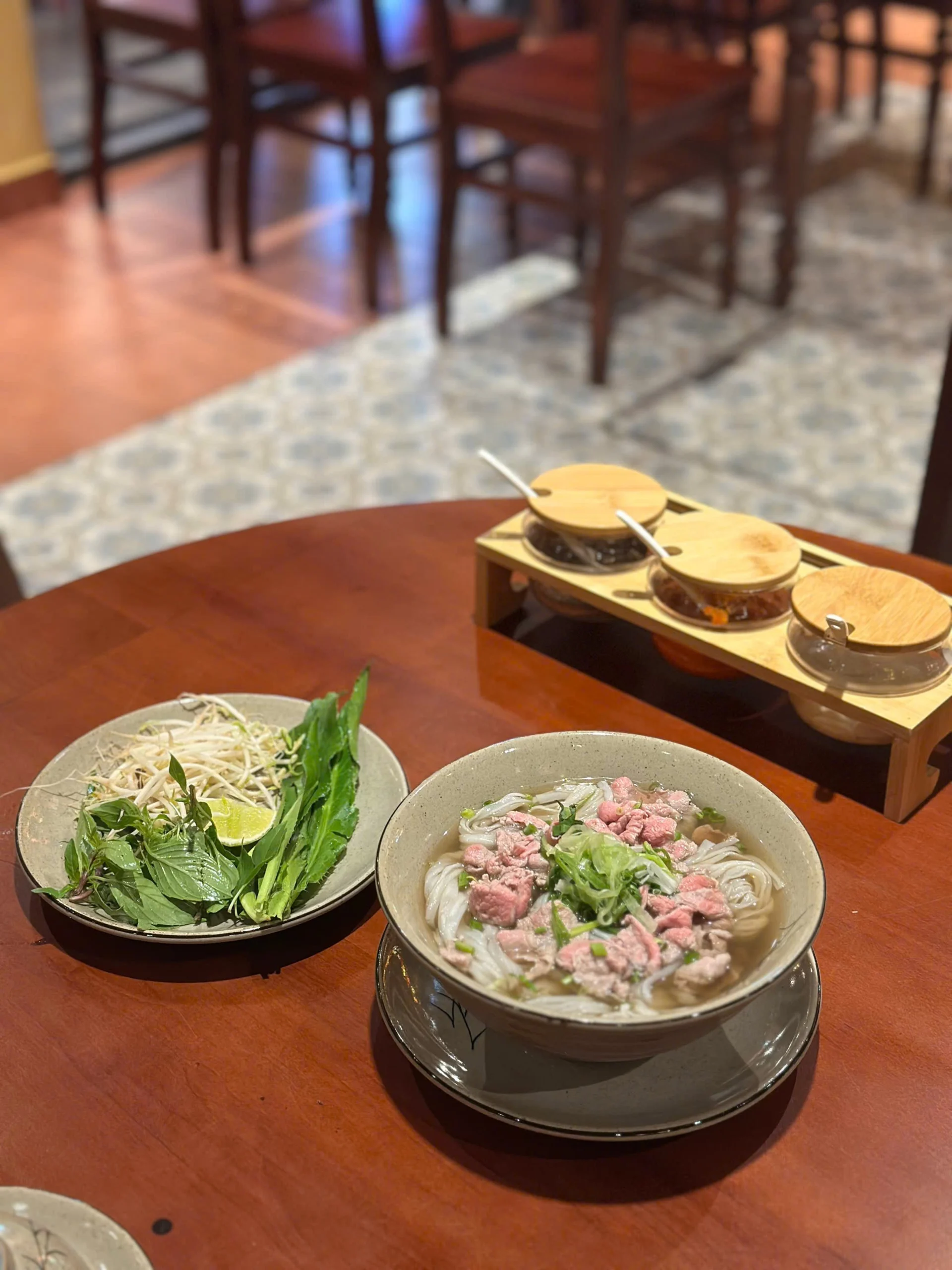
Phở has global recognition, but Central Vietnam tells its story through Mì Quảng, chicken rice, seafood, spring rolls, and dipping sauces. Visitors don't just "eat their fill"; they learn how to use herbs, rice paper, mix textures, and adjust seasonings. Local identity is the primary reason for a memorable culinary journey.
The Ocean Sets Its Own Dining Rhythm
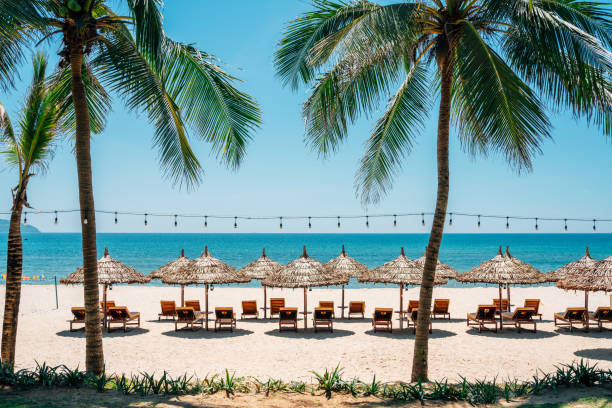
Around My Khe, the day starts early. Guests need breakfast after a beach stroll, a comfortable lunch in the hot weather, dinner when the neighborhood lights up, and late-night dining options. This rhythm encourages various models to coexist, from phở and cafés to steakhouses, Thai restaurants, and Izakayas.
An Thuong: An International Living Room
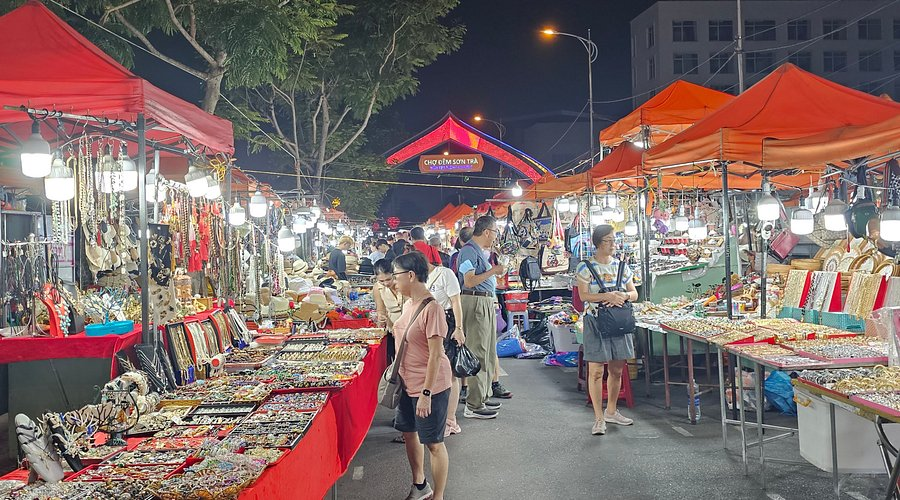
An Thuong attracts long-term tourists, local residents, and the international community. Therefore, needs are diverse. Some seek their first taste of Vietnamese food; others crave familiar flavors; groups of friends need places open late. This blend means competition isn't just about delicious food, but also about the experience, service language, group-friendliness, and clarity of online information.
From a Single Restaurant to a Flavor Ecosystem
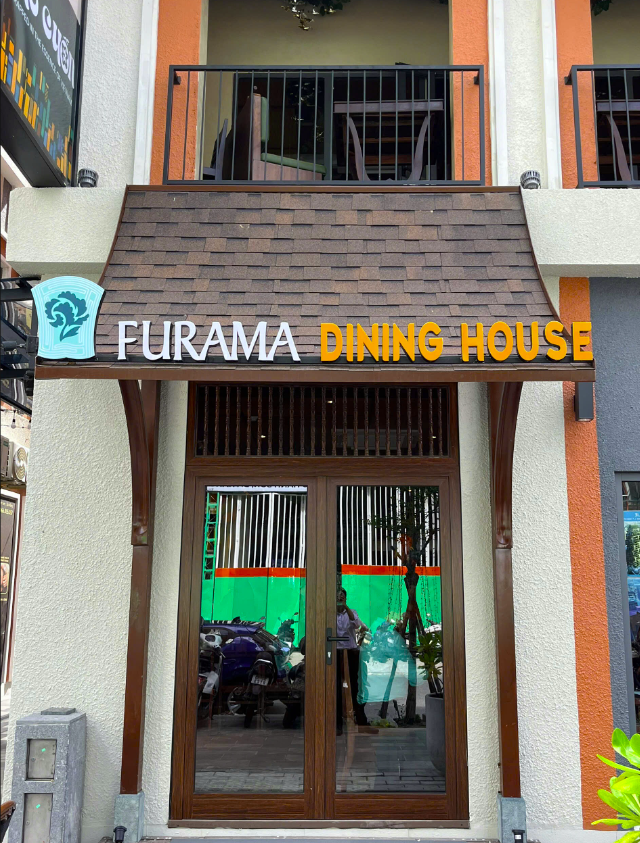
Furama Dining House reflects this trend with four concepts in one location: Phố Cuốn for Vietnamese dishes; Thai Siam Kitchen for shared Thai cuisine; The Fan for steak and wine; Hura for a late-night Izakaya. Each floor has its own identity, but together they address a neighborhood need: many reasons to return.
A multi-concept model is only compelling when each restaurant doesn't feel like a food court stall. Guests need to feel the space, menu, and service rhythm truly change as they ascend each floor. When done well, the building becomes a miniature map of An Thuong's international culinary life.
What Makes a Destination Sustainable?
It's not about chasing every trend. The city needs to protect the quality of local dishes, train staff, ensure transparent opening hours and menus, respect allergies/dietary restrictions, and maintain a consistent experience between peak and off-peak seasons. Multilingual content must also be accurate, not just keyword translations.
Da Nang has rare advantages: the sea, a pleasant pace of life, Central Vietnamese cuisine, and a generation of internationally-oriented dining spaces. When visitors begin to remember the city not just for its beautiful scenery but also for the diverse dining experiences within the same trip, a true food destination is taking shape.
Furama Dining House – 73 Tran Bach Dang, Barett Urban Zone, Da Nang
Contact: 0859 555 759
Website Booking: https://www.furamadining.com/dat-ban
FAQ
Frequently Asked Questions
- Which area is best for exploring international cuisine in Da Nang?
An Thuong, near My Khe, is a walkable area with many local and international options.
- What does Da Nang cuisine offer besides seafood?
There's Mì Quảng, spring rolls, chicken rice, bún (vermicelli dishes), phở, and an increasing number of Thai, Japanese, European restaurants, along with other international concepts.
- What role does Furama Dining House play?
The building brings together four independent culinary concepts, allowing guests to experience various dining moods at one address.