What is Robata? Discover the Art of Japanese Charcoal Grilling at Hura Izakaya
What is Robata? Discover the art of Japanese Robata Yaki charcoal grilling, from its origins and grilling techniques to the Japanese culinary experience at Hura Izakaya Da Nang.
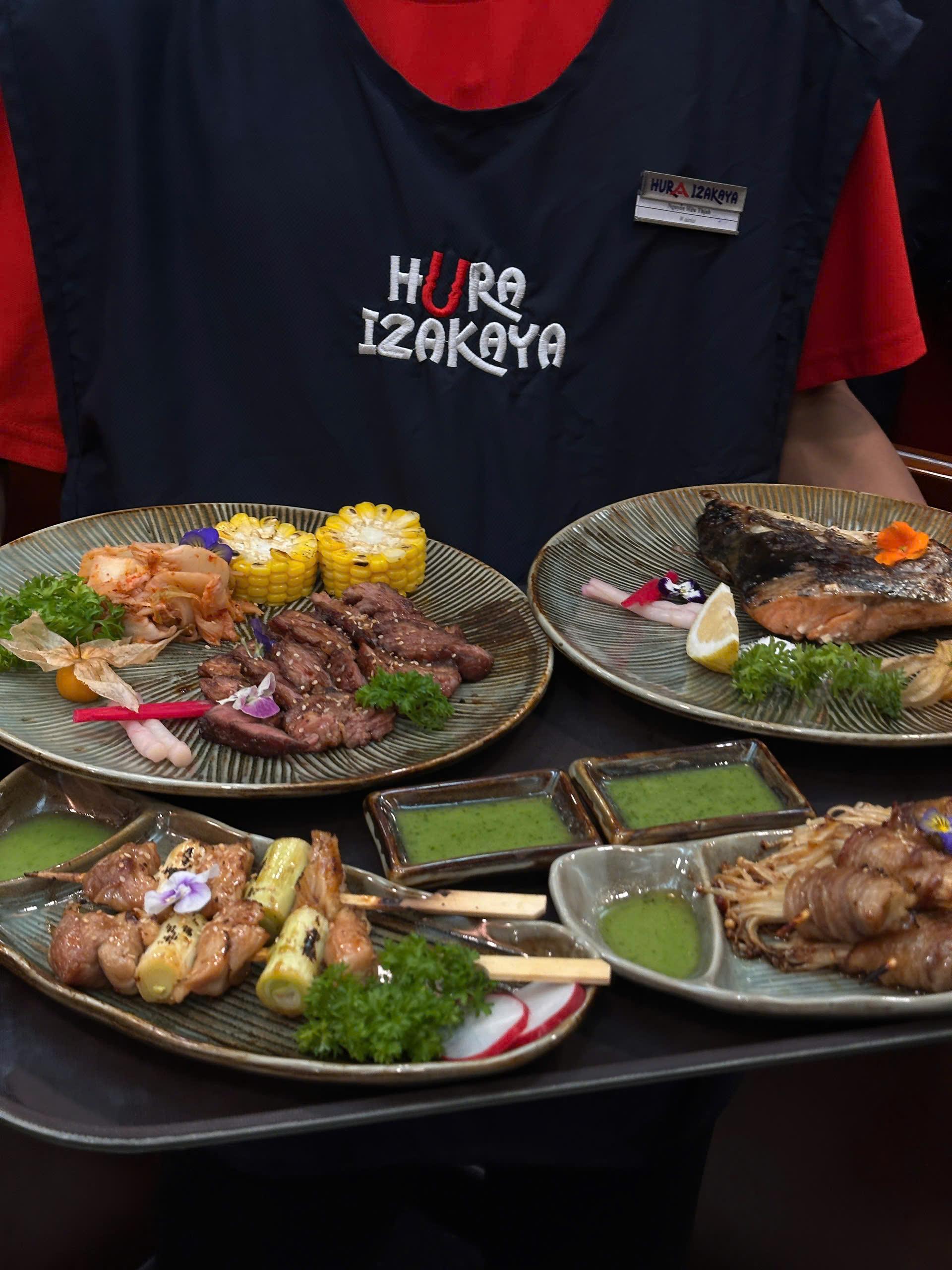
WHAT IS ROBATA? DISCOVER THE ART OF JAPANESE CHARCOAL GRILLING AT HURA IZAKAYA
Japanese cuisine is renowned for its emphasis on ingredients, preparation techniques, and the way it honors the natural flavors of each dish. Among traditional cooking methods, Robata Yaki stands out as a unique charcoal grilling art, where the heat from glowing embers combines with the chef's skill to create enticing dishes.
More than just a cooking method, Robata is deeply intertwined with Japanese dining culture and the spirit of connection. At Hura Izakaya, this experience offers a more intimate way to explore Japanese cuisine, where diners can savor the aroma of charcoal grilling and enjoy dishes in the distinctive atmosphere of an Izakaya.
1. What is Robata? Understanding Robata Yaki in Japanese Cuisine
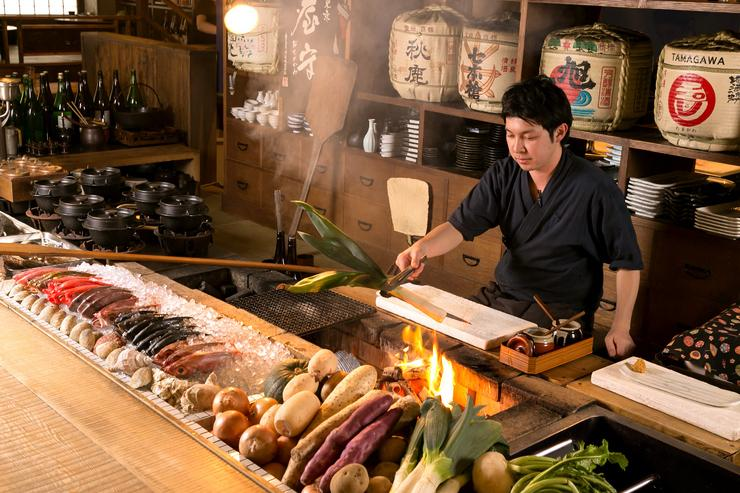
Robata (炉端) is the shortened name for Robatayaki (炉端焼き), a traditional Japanese grilling method. The term is often understood as “fireside grilling,” describing the preparation of food over hot charcoal, typically performed right at the kitchen counter in front of diners.
Robata is closely associated with the daily life of fishing communities in Northern Japan. On cold days, people would gather around a traditional Irori hearth to grill freshly caught fish and other ingredients, sharing meals in a cozy atmosphere.
Over time, this cooking method evolved into a distinct restaurant style, widely known throughout Japan, especially in areas like Sendai and Kushiro.
The distinctive feature of Robata lies not only in the use of charcoal but also in how the chef adjusts the distance between the food and the heat source. This ensures that each ingredient is cooked at the appropriate temperature and for the right duration, preserving its natural texture and flavor.
2. What Makes the Art of Robata Grilling Unique?
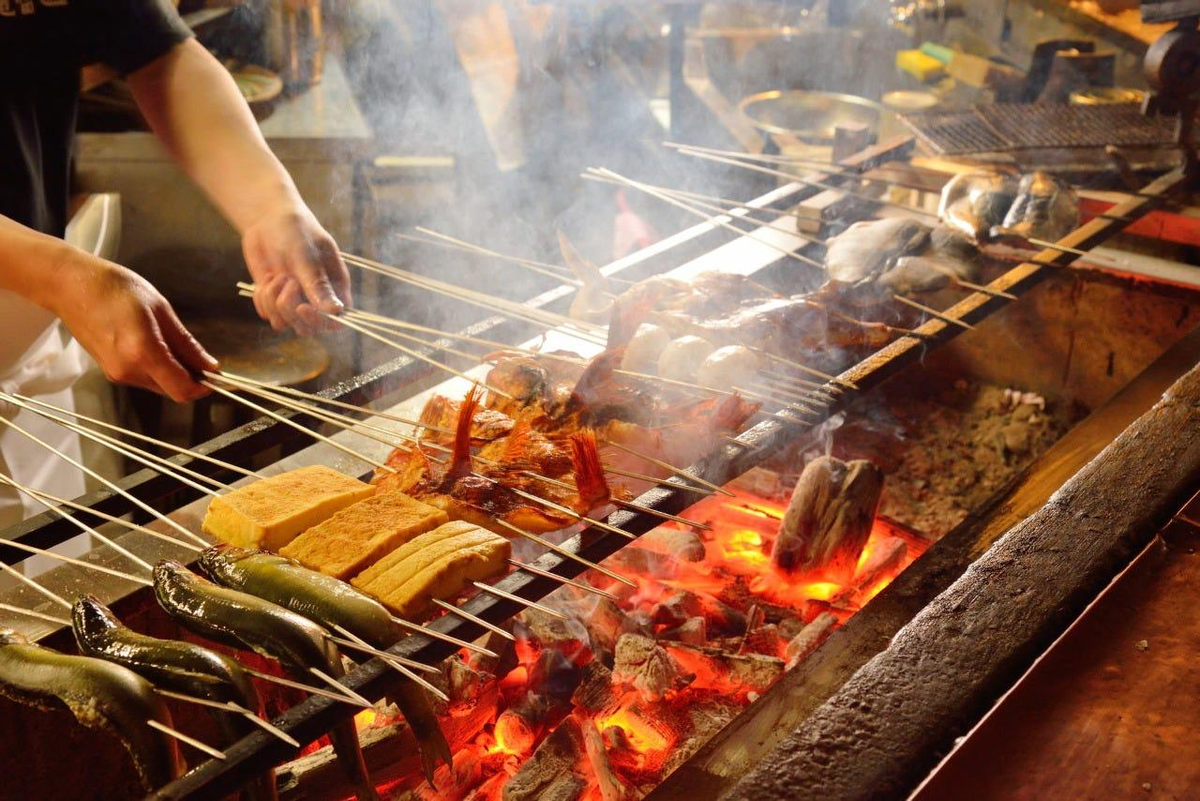
Unlike conventional grilling methods, Robata emphasizes heat control, a deep understanding of ingredients, and the chef's experience. Each step contributes to the distinctive flavor of the dish.
Grilling directly over glowing embers
Charcoal provides intense heat and a distinctive aroma, helping to grill the surface of ingredients to an appealing golden crisp. When properly controlled, the heat from the charcoal can create a light char on the outside while retaining moisture and tenderness within.
Adjusting distance and grilling time
One of the crucial techniques in Robata is adjusting the food's position relative to the heat source. Thin, quick-cooking ingredients require different handling than thick cuts of meat or large seafood. The chef must continuously observe to control doneness and prevent ingredients from drying out.
Honoring the natural flavors of ingredients
Robata typically uses seasonal fish, seafood, meat, and vegetables. Instead of relying on numerous spices, this method focuses on highlighting the natural sweetness, texture, and aroma of each ingredient.
Visual cooking experience
At Robata restaurants with open grilling counters, diners can watch the chef prepare dishes firsthand. The sound of glowing embers, the wafting aroma, and the sight of ingredients gradually changing color on the grill all contribute to an engaging part of the experience.
3. How Does Robata Differ from Yakitori and Teppanyaki?
A key difference is that Robata has a broader range of ingredients than Yakitori. While Yakitori focuses on various parts of skewered chicken, Robata can be applied to many types of meat, fish, seafood, and vegetables.
Teppanyaki, on the other hand, uses a flat metal griddle to cook food, creating a distinct cooking style and interactive experience.
Understanding these differences will help diners choose the Japanese culinary style that best suits their preferences.
4. Common Ingredients Found on a Robata Menu
The appeal of Robata lies in its ability to combine various ingredients on the same charcoal grill. Depending on the season and the restaurant's style, the menu may include:
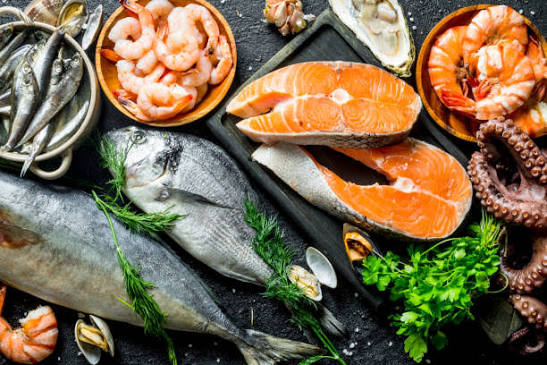
- Seafood: Fish, shrimp, scallops, squid, and other fresh seafood. The charcoal heat helps create an appealing surface while preserving the ingredient's distinctive texture.
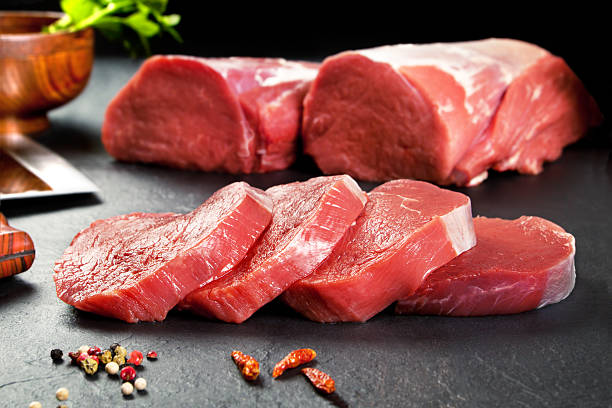
- Meat: Beef, pork, and various cuts of meat suitable for grilling. The aroma from the charcoal enhances the rich flavor of the meat.
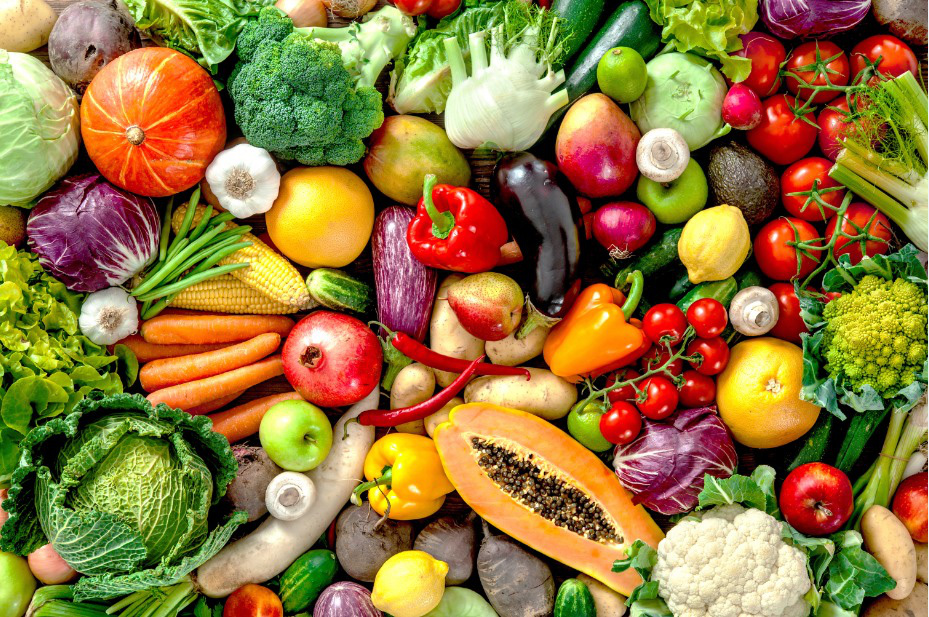
- Vegetables: Mushrooms, eggplant, green peppers, onions, and seasonal vegetables. When grilled, the natural sugars in the vegetables are highlighted, creating a subtle sweetness and distinctive aroma.
- Skewered dishes: Bite-sized portions of ingredients, convenient for enjoying with drinks in the Izakaya style.
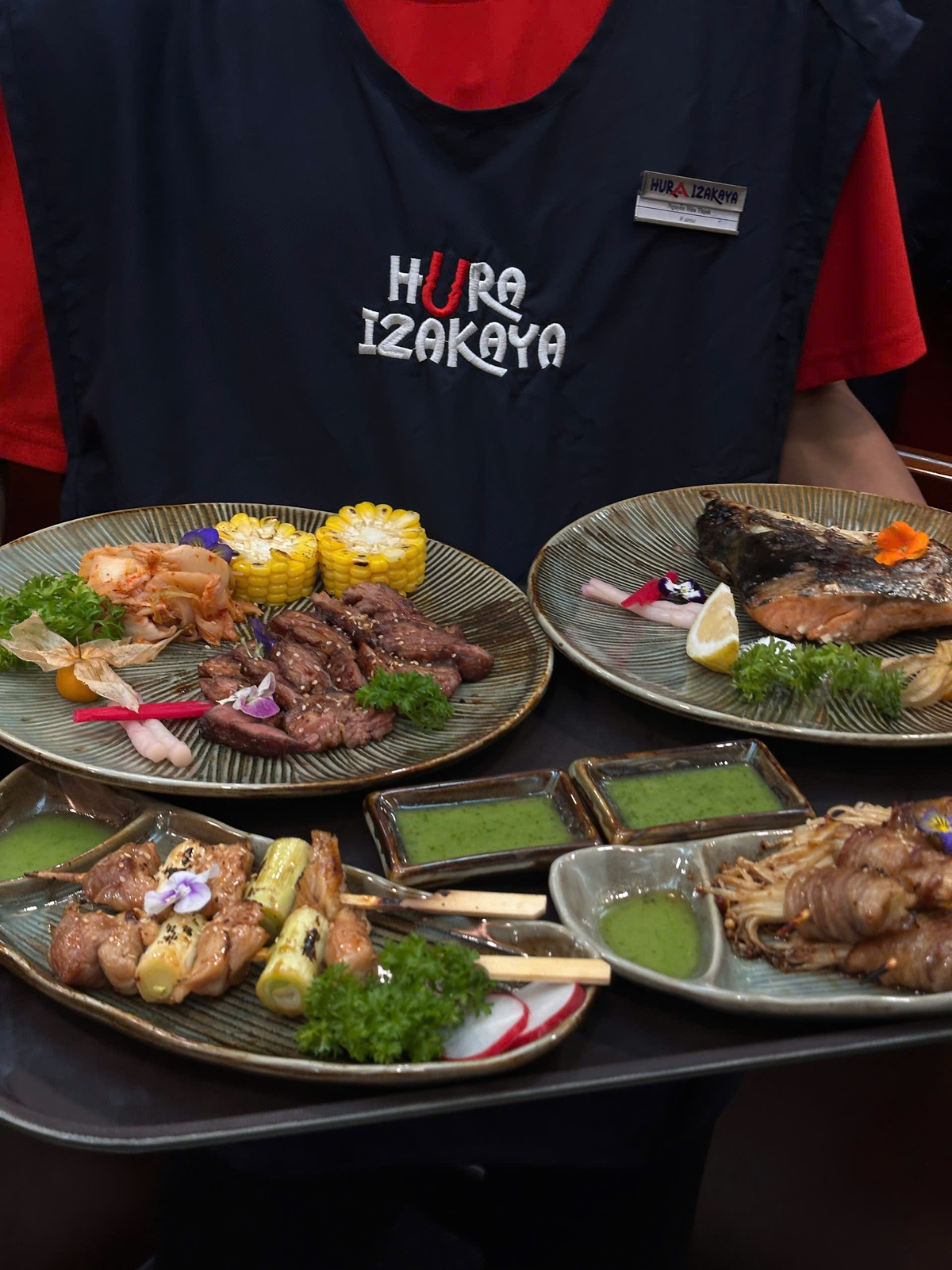
The selection of seasonal ingredients is also a hallmark of Japanese culinary culture, emphasizing freshness and suitability for each time of year.
5. Enjoying Robata in Izakaya Style at Hura Izakaya
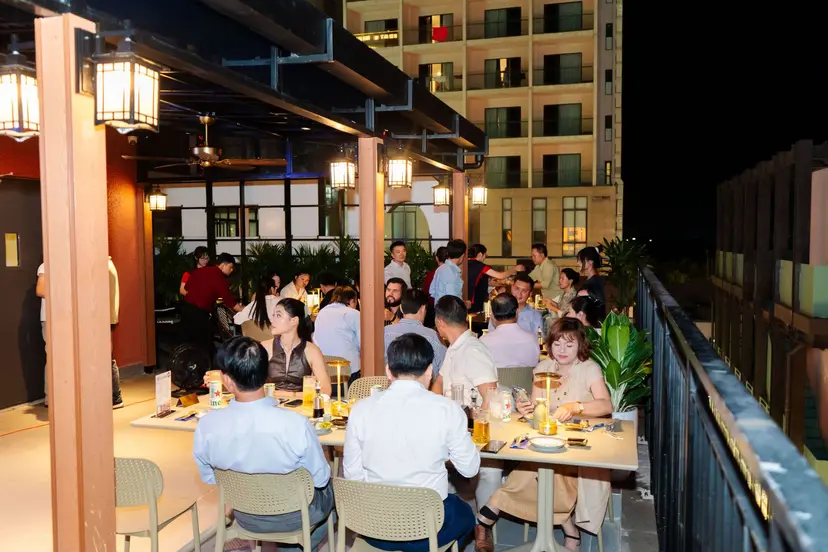
Robata is not just about grilling techniques; it's also deeply connected to Japan's communal dining culture. This is precisely the spirit that the Izakaya model aims for: a space where diners can order many small dishes, sip drinks, and extend conversations after a busy day.
Located on the 4th floor of Furama Dining House, 73 Tran Bach Dang, Da Nang, Hura Izakaya offers a Japanese culinary experience centered around its Robata charcoal grill, handcrafted Yakitori skewers, and a selection of Sake and Highball.
The highlight of Hura Izakaya is its charcoal grilling counter, where the flames and cooking process become an integral part of the dining space. Diners come not just to eat but also to experience the sounds, aromas, and distinctive warmth from the charcoal grill.
The cozy red lantern-lit ambiance, with views towards My Khe Beach, helps create the perfect atmosphere for gatherings with friends, colleagues, or a relaxing Japanese-style evening.
Here, diners can combine Yakitori skewers with Robata dishes, enjoying them with Sake or Highball to fully embrace the Izakaya spirit.
6. Why Experience Robata at Hura Izakaya?
If you're looking for a Japanese restaurant in Da Nang with a distinctive experience, Hura Izakaya is the perfect suggestion for diners who wish to explore Japanese culinary culture in a friendly and open style.
- Experience the Robata charcoal grill counter: Observe the cooking process and savor the distinctive aroma of dishes grilled over charcoal.
- Enjoy Yakitori and Izakaya-style dishes: Dishes served in small portions, convenient for combining and sharing with friends.
- Pair with Sake and Highball: Discover Japanese beverage culture through selections that perfectly complement grilled dishes and the evening atmosphere.
- Japanese-style gathering space: The red hues of lanterns, the charcoal grill counter, and the cozy ambiance create an ideal meeting spot for after-work evenings.
Whether for an intimate gathering or a lively get-together with friends, Hura Izakaya offers a unique option for your journey of Japanese culinary discovery in Da Nang.
FAQ
Frequently Asked Questions
- 1. What is Robata?
Robata is the shortened name for Robatayaki, a traditional Japanese grilling method. Foods such as meat, fish, seafood, and vegetables are cooked over hot charcoal, with temperature and grilling distance adjusted appropriately to preserve the natural flavors of the ingredients.
- 2. Where Does Robata Yaki Originate From?
Robata is associated with the fireside cooking culture of fishing communities in Northern Japan. This method evolved from the practice of grilling food around an Irori hearth and gradually became a distinctive restaurant style in Japan.
- How Does Robata Differ from Yakitori?
Robata is a charcoal grilling method that can be applied to a wide range of ingredients such as meat, fish, seafood, and vegetables. Yakitori, on the other hand, primarily consists of skewered chicken grilled over charcoal. Both are popular experiences within Izakaya dining culture.