Hot Sake or Cold Sake? How to Choose for Each Japanese Dish Sake is a traditional Japanese alcoholic beverage, often enjoyed with Japanese cuisine. However, many people wonder whether to drink sake hot or cold. The truth is, there's no single right answer, as the ideal temperature depends on the type of sake and the dish it's paired with. Let's explore how to choose the perfect sake temperature for your meal! ## Hot Sake (Atsukan) Hot sake, or Atsukan, is typically served at temperatures ranging from 40°C to 55°C. Heating sake can enhance its aroma and mellow its flavor, making it easier to drink. **When to choose hot sake:** - **In cold weather:** A warm cup of sake helps warm the body and creates a cozy feeling. - **With rich, flavorful dishes:** Hot sake can cut through the richness of dishes like grilled meat, stewed dishes, or fried foods, balancing the flavors. - **With sake that has a strong, robust flavor:** Heating can soften the alcohol's edge and bring out more complex notes. - **With sake of lower quality:** Heating can mask some imperfections and make it more palatable. **Dishes that pair well with hot sake:** - **Yakitori (Grilled Skewers):** The rich flavor of grilled meat and sauce is perfectly complemented by hot sake. - **Oden (Japanese Hot Pot):** The warm, comforting broth and ingredients of Oden are enhanced by hot sake. - **Tempura (Fried Seafood and Vegetables):** Hot sake helps cleanse the palate after the oiliness of tempura. - **Sukiyaki/Shabu-shabu:** The rich, savory broth and meat of these hot pot dishes pair wonderfully with hot sake.  ## Cold Sake (Reishu) Cold sake, or Reishu, is usually served chilled, at temperatures between 5°C and 15°C. Chilling sake can highlight its delicate aromas and crisp, refreshing flavors. **When to choose cold sake:** - **In hot weather:** Cold sake offers a refreshing sensation, helping to cool down. - **With light, delicate dishes:** Cold sake won't overpower the subtle flavors of dishes like sashimi, sushi, or salads. - **With premium sake (Ginjo, Daiginjo):** These types of sake often have complex, fruity, and floral aromas that are best appreciated when chilled. - **When you want to enjoy the sake's original, pure flavor:** Chilling helps preserve the sake's natural characteristics. **Dishes that pair well with cold sake:** - **Sashimi/Sushi:** The freshness and delicate flavor of raw fish are perfectly matched with cold sake. - **Salads:** The crispness of cold sake complements light, refreshing salads. - **Tofu dishes:** The subtle flavor of tofu is enhanced by cold sake. - **Lightly seasoned grilled fish:** Cold sake brings out the natural sweetness of the fish.  ## Room Temperature Sake (Hiya) Room temperature sake, or Hiya, is served at around 20°C. This temperature allows you to experience the sake's full range of aromas and flavors without any influence from heating or chilling. **When to choose room temperature sake:** - **When you want to fully appreciate the sake's original character:** Many sake connoisseurs prefer to drink sake at room temperature to experience its true profile. - **With a wide variety of dishes:** Room temperature sake is versatile and can pair well with many different types of Japanese food. **Dishes that pair well with room temperature sake:** - **Grilled fish:** The umami of grilled fish is well-balanced by room temperature sake. - **Simmered dishes (Nimono):** The gentle flavors of simmered dishes are complemented by sake at this temperature. - **Dishes with a balanced flavor profile:** Room temperature sake can enhance dishes that are neither too rich nor too light. ## Tips for Enjoying Sake - **Consider the sake type:** Junmai, Honjozo, Ginjo, Daiginjo each have different characteristics that might be better suited for certain temperatures. - **Consider the season:** Hot sake in winter, cold sake in summer. - **Consider your personal preference:** Ultimately, the best way to enjoy sake is the way you like it best! - **Experiment:** Don't be afraid to try different temperatures with different dishes to discover your favorite pairings. At Furama Dining House, we offer a diverse selection of premium sake, carefully chosen to complement our exquisite Japanese dishes. Our knowledgeable staff will be delighted to assist you in selecting the perfect sake temperature to enhance your dining experience. Come and explore the fascinating world of sake with us! **Furama Dining House** **Address:** {address} **Hotline:** {phone} **Website:** {website} **Fanpage:** {facebook}
Hot or cold sake: which is better? Discover serving temperatures, flavor characteristics, and how to choose the perfect sake to pair with Japanese dishes for your dinner at Hura Izakaya.

## Cold Sake (Reishu)
Cold sake, or Reishu, is usually served chilled, at temperatures between 5°C and 15°C. Chilling sake can highlight its delicate aromas and crisp, refreshing flavors.
**When to choose cold sake:**
- **In hot weather:** Cold sake offers a refreshing sensation, helping to cool down.
- **With light, delicate dishes:** Cold sake won't overpower the subtle flavors of dishes like sashimi, sushi, or salads.
- **With premium sake (Ginjo, Daiginjo):** These types of sake often have complex, fruity, and floral aromas that are best appreciated when chilled.
- **When you want to enjoy the sake's original, pure flavor:** Chilling helps preserve the sake's natural characteristics.
**Dishes that pair well with cold sake:**
- **Sashimi/Sushi:** The freshness and delicate flavor of raw fish are perfectly matched with cold sake.
- **Salads:** The crispness of cold sake complements light, refreshing salads.
- **Tofu dishes:** The subtle flavor of tofu is enhanced by cold sake.
- **Lightly seasoned grilled fish:** Cold sake brings out the natural sweetness of the fish.

## Room Temperature Sake (Hiya)
Room temperature sake, or Hiya, is served at around 20°C. This temperature allows you to experience the sake's full range of aromas and flavors without any influence from heating or chilling.
**When to choose room temperature sake:**
- **When you want to fully appreciate the sake's original character:** Many sake connoisseurs prefer to drink sake at room temperature to experience its true profile.
- **With a wide variety of dishes:** Room temperature sake is versatile and can pair well with many different types of Japanese food.
**Dishes that pair well with room temperature sake:**
- **Grilled fish:** The umami of grilled fish is well-balanced by room temperature sake.
- **Simmered dishes (Nimono):** The gentle flavors of simmered dishes are complemented by sake at this temperature.
- **Dishes with a balanced flavor profile:** Room temperature sake can enhance dishes that are neither too rich nor too light.
## Tips for Enjoying Sake
- **Consider the sake type:** Junmai, Honjozo, Ginjo, Daiginjo each have different characteristics that might be better suited for certain temperatures.
- **Consider the season:** Hot sake in winter, cold sake in summer.
- **Consider your personal preference:** Ultimately, the best way to enjoy sake is the way you like it best!
- **Experiment:** Don't be afraid to try different temperatures with different dishes to discover your favorite pairings.
At Furama Dining House, we offer a diverse selection of premium sake, carefully chosen to complement our exquisite Japanese dishes. Our knowledgeable staff will be delighted to assist you in selecting the perfect sake temperature to enhance your dining experience.
Come and explore the fascinating world of sake with us!
**Furama Dining House**
**Address:** {address}
**Hotline:** {phone}
**Website:** {website}
**Fanpage:** {facebook}](https://dzsmpewtaccwxnnyrksz.supabase.co/storage/v1/render/image/public/site-media/content/img-8def6w9o.png?width=1920&resize=contain&quality=75)
Serving temperature can change how you perceive sake's aroma, umami, and balance. There's no rule that good sake must be served hot: the right choice depends on the sake type, the dish, and your personal preference.
The information below will help you understand important differences, learn the principles of enjoyment, and make suitable choices. These descriptions are general; specific preparations may vary by region and restaurant.
Cold Sake
Many Ginjo and Daiginjo types are often served chilled to preserve their fruity, floral notes and refreshing character. The recommended temperature range is around 5–15°C, but this shouldn't be strictly applied to every bottle.
Warm Sake
Some Junmai or Honjozo sakes are well-suited for gentle warming; heat can bring out their rice aroma and umami flavor. Nurukan is typically around 40°C, and Atsukan around 50°C; it's best to warm it slowly.
Food Pairing
Lighter dishes often pair well with chilled sake, while rich grilled dishes might suit warm sake or sake with a fuller body. Try two different temperatures with the same bottle if the producer allows.
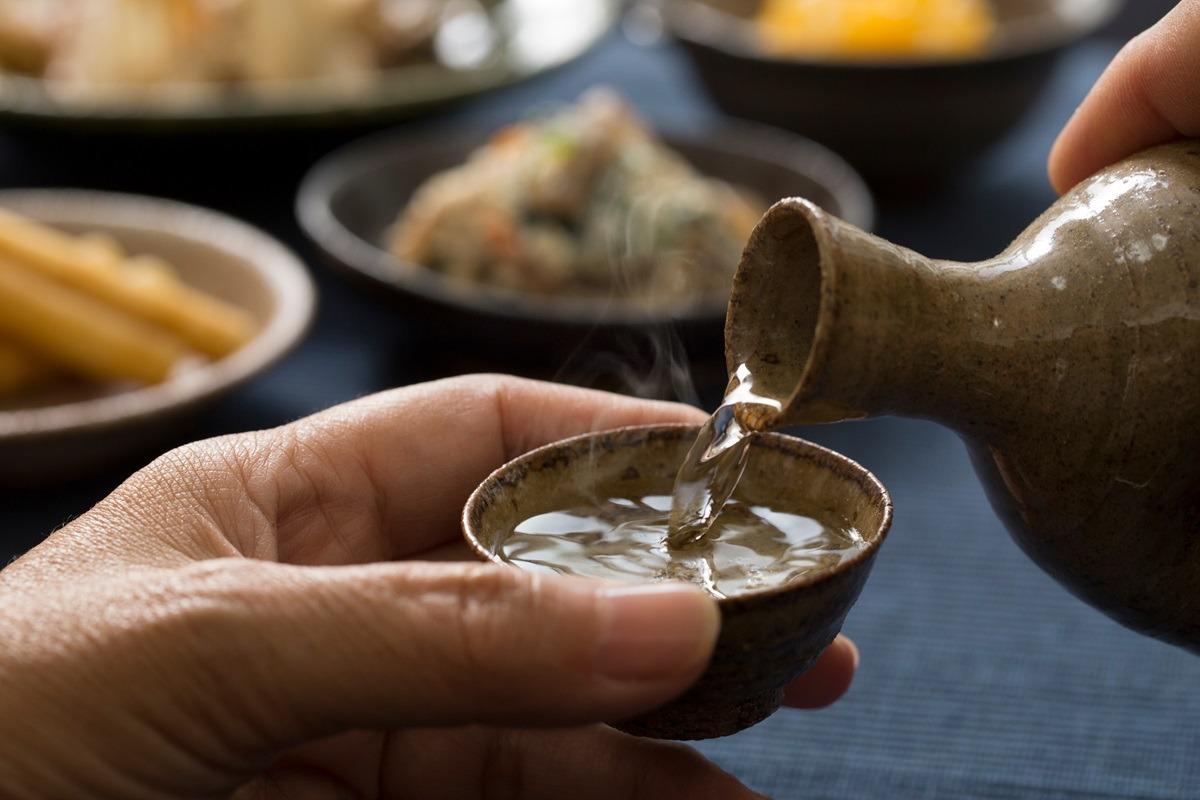
A frequently overlooked point is that serving temperature does not equate to sake quality. A bottle designed to be drunk cold isn't necessarily better than one suited for warming. Information on the label, producer recommendations, and how the sake interacts with food will be more helpful than choosing based on habit.
When trying a new sake, you can ask for a small pour to taste first. Observe the initial aroma, feel the sweetness and acidity in the mid-palate, then note the lingering finish. If possible, try it with grilled dishes or light dishes to see how temperature and food change the perception.
How to Choose Based on Preference and Dining Occasion
When ordering, start with your priorities: strong or light flavor, richness, texture, spice tolerance, or how to share among a group. Don't hesitate to ask our staff about ingredients, preparation methods, and portion sizes. For food with allergenic ingredients, please inform us specifically before ordering.
The criteria above will also help you enjoy your meal at Hura Izakaya more proactively: view the current menu, choose dishes according to individual tastes, and communicate in advance if you have special requests.
Dining Experience at Hura Izakaya
Hura Izakaya embodies the convivial spirit of a Japanese eatery, featuring grilled dishes, sharing plates, and Izakaya-style drinks. This knowledge of Japanese cuisine empowers diners to proactively pair dishes during an evening with friends.
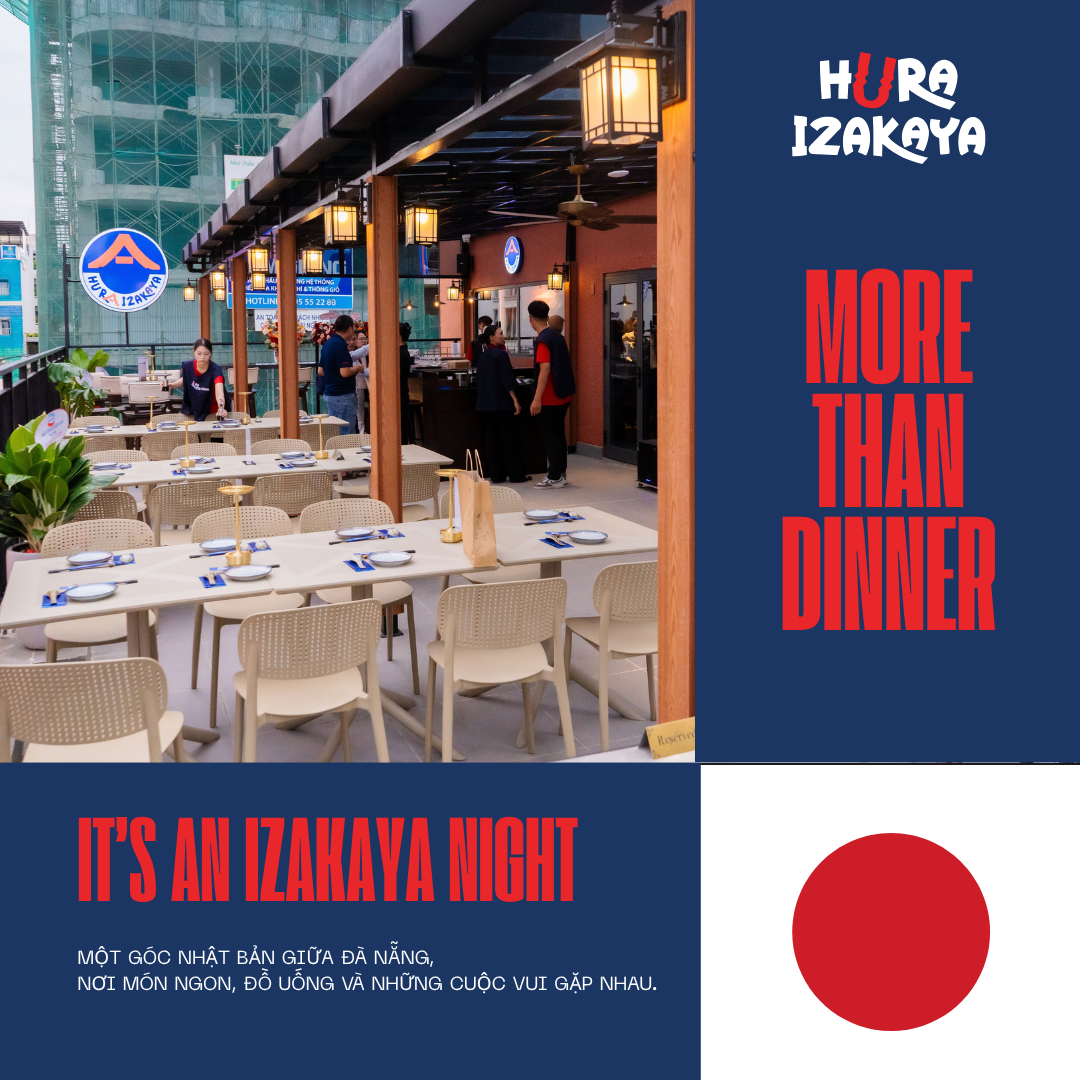
Discover Hura Izakaya | Furama Dining House – One house, four flavors.
- Address: 4th Floor/ Kiosk, 73 Tran Bach Dang, Barett Urban Zone, An Thuong, Da Nang.
- Hotline: 0859 555 759
- Reservations: https://www.furamadining.com/dat-ban
FAQ
Frequently Asked Questions
- Which sake pairs well with grilled dishes?
Prioritize the flavor profile of the bottle: types with richness and clear umami notes often pair easily with grilled dishes.
- Should sake always be served hot?
No. Sake can be served chilled, at room temperature, or warmed.