Is Sashimi Really Only Delicious When The Fish Is Fresh?
A quality sashimi is a combination of fresh ingredients, preservation procedures and meticulous processing techniques.

When it comes to Japanese cuisine, many people will immediately think of sashimi - slices of seafood that are meticulously cut and enjoyed with almost the same natural flavor. Because of this special way of processing, many people think that sashimi is only delicious when the fish has just been caught. However, the reality is not entirely like that.
For Japanese chefs, freshness is always an important factor, but that's not everything. A good portion of sashimi also depends on the source of ingredients, preservation process, preparation techniques and the chef's cutting method. When these elements are combined harmoniously, diners can fully feel the natural sweetness and unique texture of each type of seafood.
Freshness is Always Important, But It's Not the Only Factor
Freshness is the first thing people think of when talking about sashimi, because the dish has almost no cooking process. However, in Japanese cuisine, ingredients are not only judged by when they are caught, but also by how they preserve their quality from harvest to serving.
If seafood is properly stored and maintained at the right temperature during transportation, the flavor can still be preserved. That's why many chefs always pay special attention to the selection and preservation of ingredients, because this is the foundation that creates the quality of each piece of sashimi.
Preservation Process Contributes to Preserving Flavor
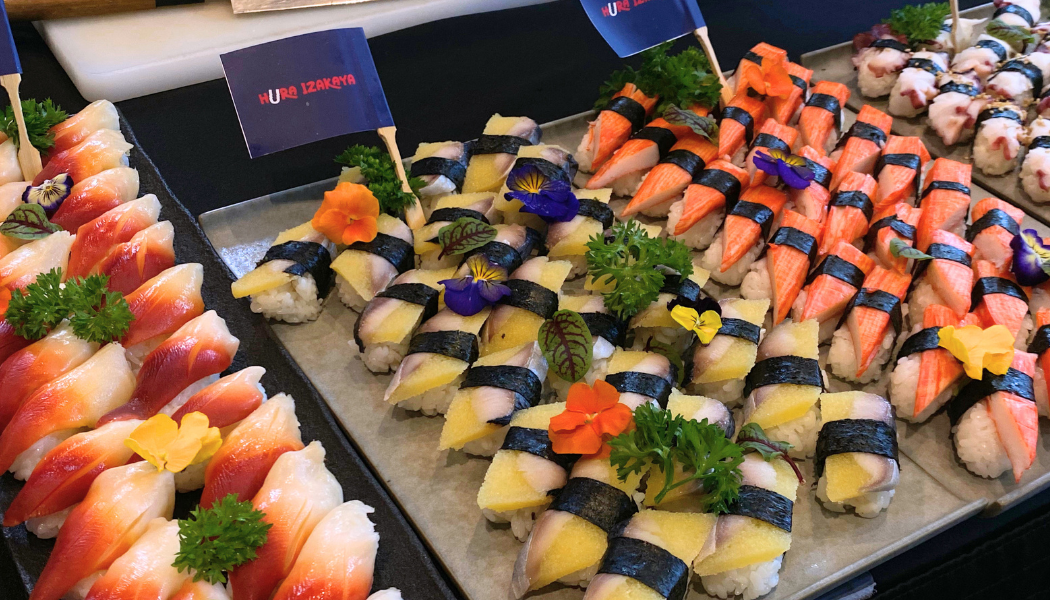
A delicious sashimi not only starts from quality seafood but also comes from careful preservation processes. Once harvested, raw materials need to be kept in suitable conditions to ensure freshness, color and texture before processing.
For Japanese restaurants, maintaining preservation standards throughout the transportation and storage process is always considered an important factor. When ingredients are properly preserved, chefs will have the best conditions to create sashimi slices that retain their natural sweetness and fresh feeling when enjoyed.
Chef's Skill Makes the Difference
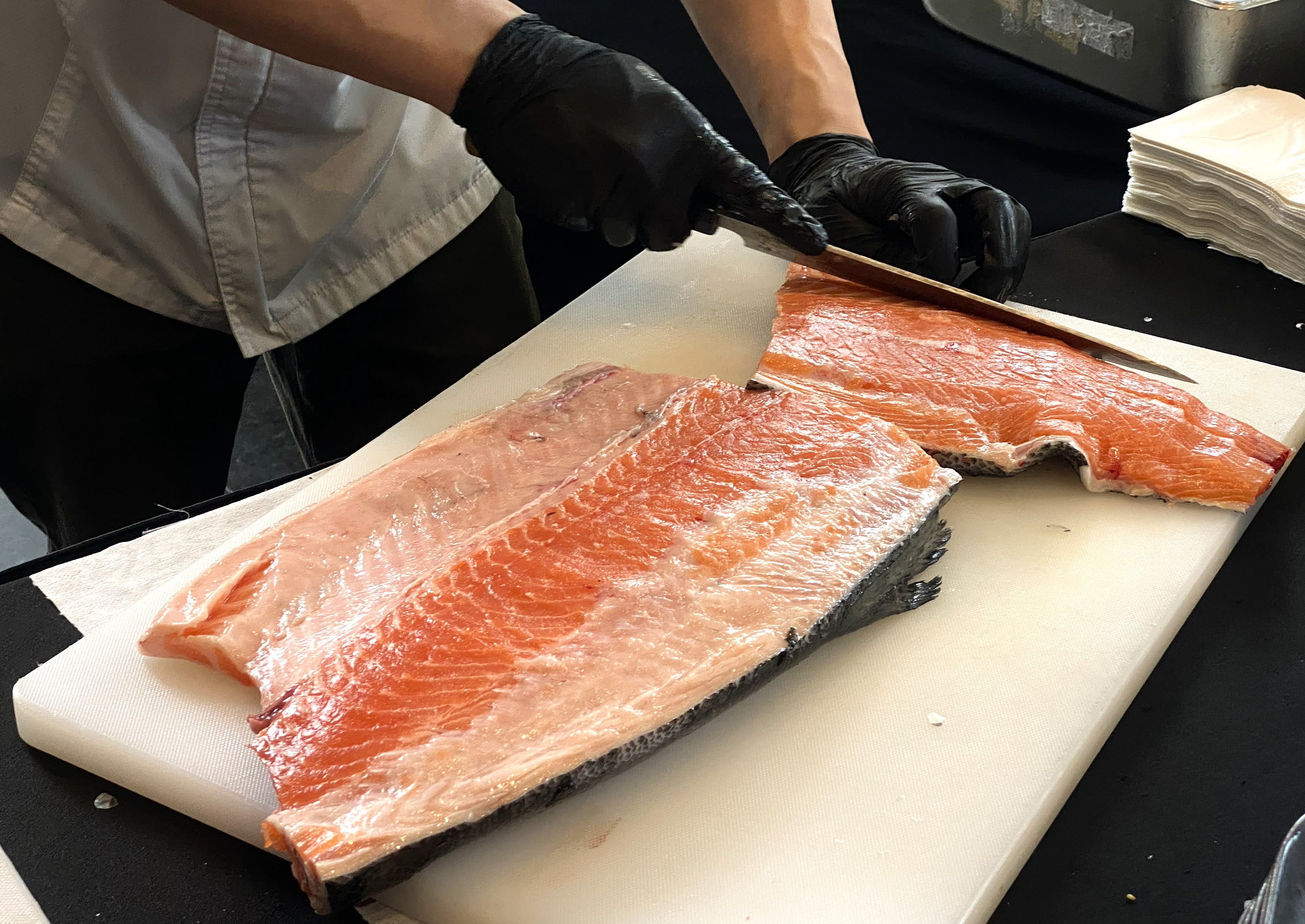
Sashimi looks simple but requires more technique than many people think. Each type of fish has its own characteristics in terms of meat grain, firmness and amount of fat, so the chef will choose the appropriate cutting method to highlight the flavor of each ingredient.
The thickness of the slice also affects the enjoyment experience. A suitable slice helps diners feel the softness, sweetness and characteristic texture of seafood. It is the meticulousness in each operation that contributes to the value of this seemingly simple dish.
Enjoy Sashimi the Right Way to Feel the Full Flavor
Many people have the habit of dipping a lot of soy sauce or wasabi right after eating sashimi. However, according to the common enjoyment of Japanese cuisine, using moderate spices will help the natural flavor of seafood be felt more clearly.
Besides, pickled ginger is often used in between types of sashimi to refresh the taste before moving on to the next dish. These small details contribute to creating a sophisticated experience, while helping diners clearly feel the difference of each type of seafood in the same meal.
Common Misunderstandings About Sashimi
One of the common beliefs is that the more freshly caught the fish, the tastier the sashimi will be. In fact, what chefs care more about is how the ingredients are handled and preserved before reaching the dining table. Each type of seafood has its own characteristics and needs to be prepared in the right way to achieve the best quality.
Besides, not all types of seafood are suitable for use as sashimi. The ingredients for this dish need to be selected from a reputable source and meet food safety and quality standards. This is also the reason diners should choose restaurants with clear processing processes and focus on ingredient quality.
Discover Japanese Flavors at HURA Izakaya
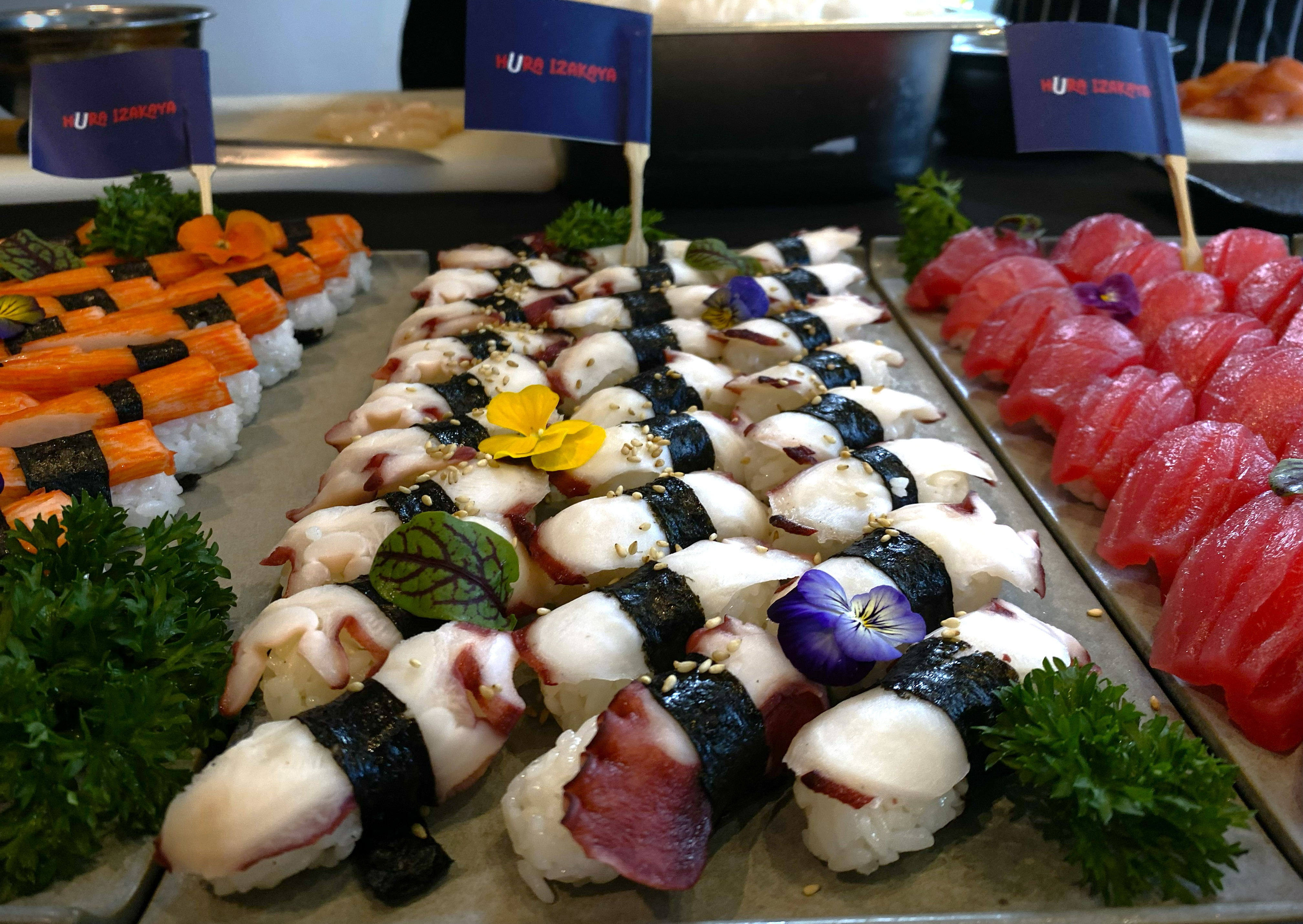
If you love sashimi and want to experience Japanese cuisine in Da Nang, HURA Izakaya on the 4th floor of Furama Dining House is a suggestion worth considering. The restaurant's menu includes many options such as salmon sashimi, tuna, amberjack, octopus, scallops and sashimi sets prepared from carefully selected ingredients.
The Japanese Coastal Tavern-style space combined with a diverse menu helps diners easily enjoy a Japanese-style evening. Besides sashimi, the restaurant also serves sushi, grilled dishes, tempura and many other typical dishes, suitable for meetings with friends, family or those who want to explore more about izakaya culture.
A Delicious Portion of Sashimi Is a Combination of Many Factors
Sashimi is attractive because of its simplicity in preparation, but creating a quality meal requires a lot of care behind the scenes. From the selection of ingredients, proper preservation, preparation techniques to the chef's skills, each step contributes to the final flavor.
It can be said that freshness is always the foundation of sashimi, but it is the attention to detail that helps the dish conquer diners. When you understand more about how a portion of sashimi is prepared, each time you enjoy it will not only be a taste, but also an opportunity to discover the sophistication of Japanese culinary art.