The Culture of Vietnamese Family Meals: The Beautiful Bond of Family
Discover the culture of Vietnamese family meals, the significance of communal gatherings, and experience traditional cuisine at Phố Cuốn - Cơm Niêu Cổ Vị Đà Nẵng.
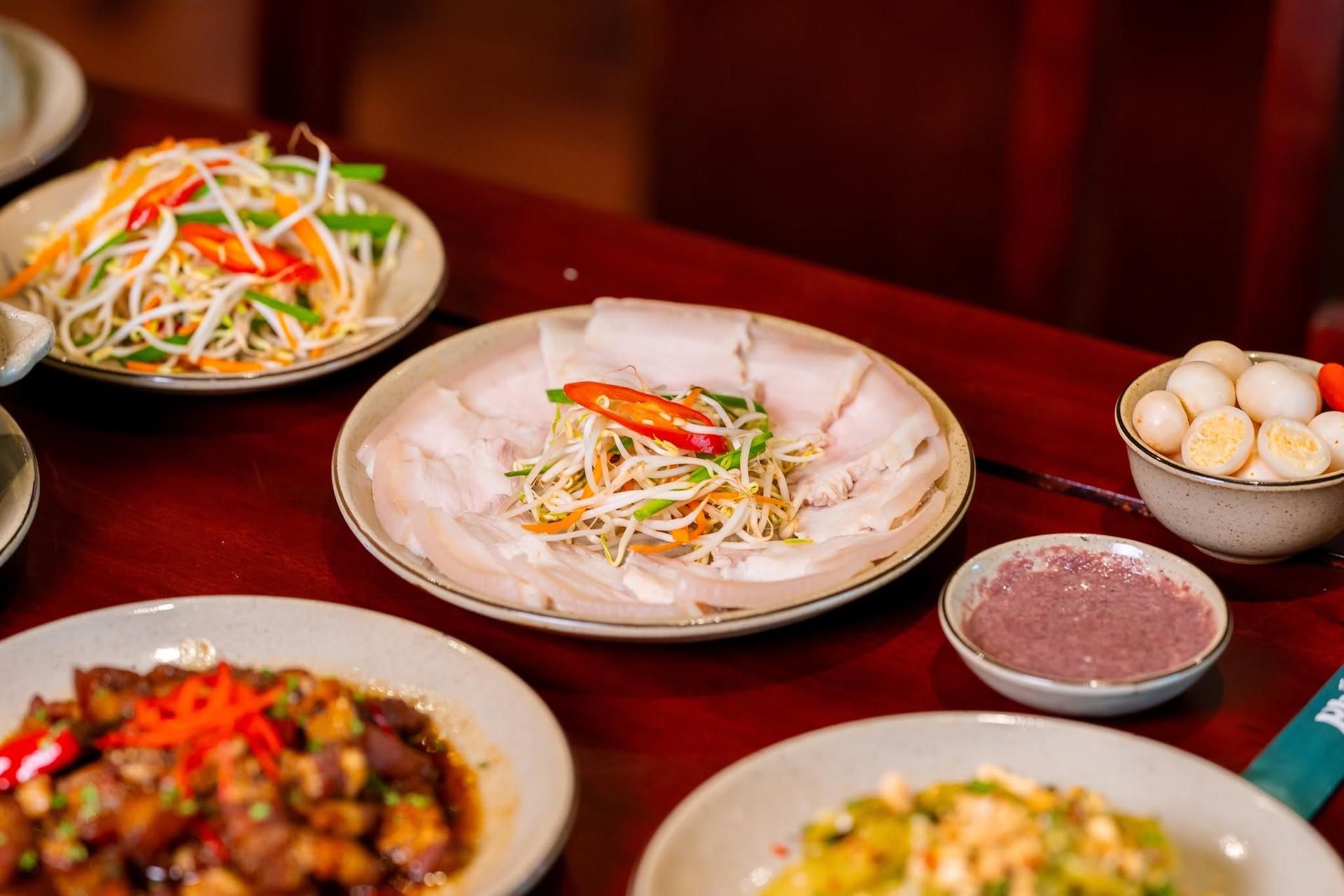
The Culture of Vietnamese Family Meals: The Beauty of Family Bonding Through Every Meal
In Vietnamese life, the family meal has long held a meaning far beyond daily sustenance. It's a time when generations gather, share stories, and find connection after busy hours of work and study. Even with many changes in modern life, the image of a family meal with familiar dishes still holds a special place in Vietnamese culture.
Beyond just flavors, the culture of Vietnamese family meals is also preserved in the way dishes are chosen, the table is set, and the simple etiquette among family members. In Da Nang, this spirit is continually evoked through traditional culinary experiences at Phố Cuốn - Cơm Niêu Cổ Vị, where Vietnamese flavors become a bridge for gatherings.
1. The Vietnamese Family Meal – More Than Just a Meal
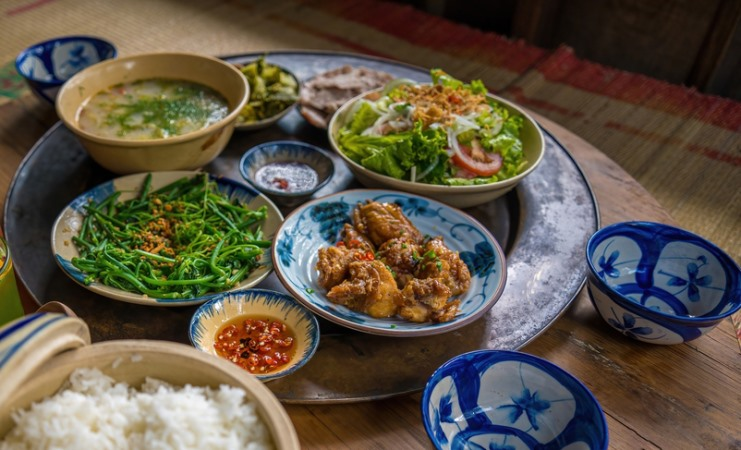
One of the distinctive features of Vietnamese dining culture is the custom of enjoying multiple dishes placed in the center of the table. Unlike dining styles where each person has a separate portion, traditional family meals often encourage sharing.
Each member has their own bowl of rice but shares from the common dishes. This very way of eating creates natural interaction, making the meal a time for bonding.
In many families, the family meal is also where daily stories continue. Adults ask about work, children talk about school, and everyone takes time to listen to each other.
The presence of family members is sometimes even more important than the number of dishes on the table. Because in Vietnamese culture, a complete meal is not only felt through its flavors but also through the atmosphere of reunion.
2. Why Do Vietnamese People Have the Custom of Sharing Meals from a Common Table?
The custom of sharing meals from a common table is deeply connected to Vietnamese family life and community culture.
In traditional society, many families had multiple generations living under one roof. Meals were one of the occasions for everyone to meet, share, and maintain their bonds.
The Spirit of Sharing in Every Dish
When dishes are placed together in the center of the table, each person can choose the amount of food according to their needs and preferences.
This dining style encourages consideration for those around you. Small gestures like inviting someone to eat, offering a portion, or picking food for a loved one are often seen as expressions of care within the family, although customs may vary across regions.
Intergenerational Bonding
Meals also create opportunities for people from different generations to converse.
Life experiences, family stories, and daily habits are naturally passed down through these everyday gatherings.
Therefore, the family meal not only reflects culinary culture but is also a part of Vietnamese family etiquette.
3. The Harmony in Combining Different Dish Categories
The appeal of a Vietnamese family meal lies in its diversity yet harmonious balance among different categories of dishes.
A traditional meal might combine rice, savory main dishes, green vegetables, soup, and side dishes. Depending on the locality, family circumstances, and season, the choice of ingredients and cooking methods may vary.
Savory Dishes – The Flavor Highlight
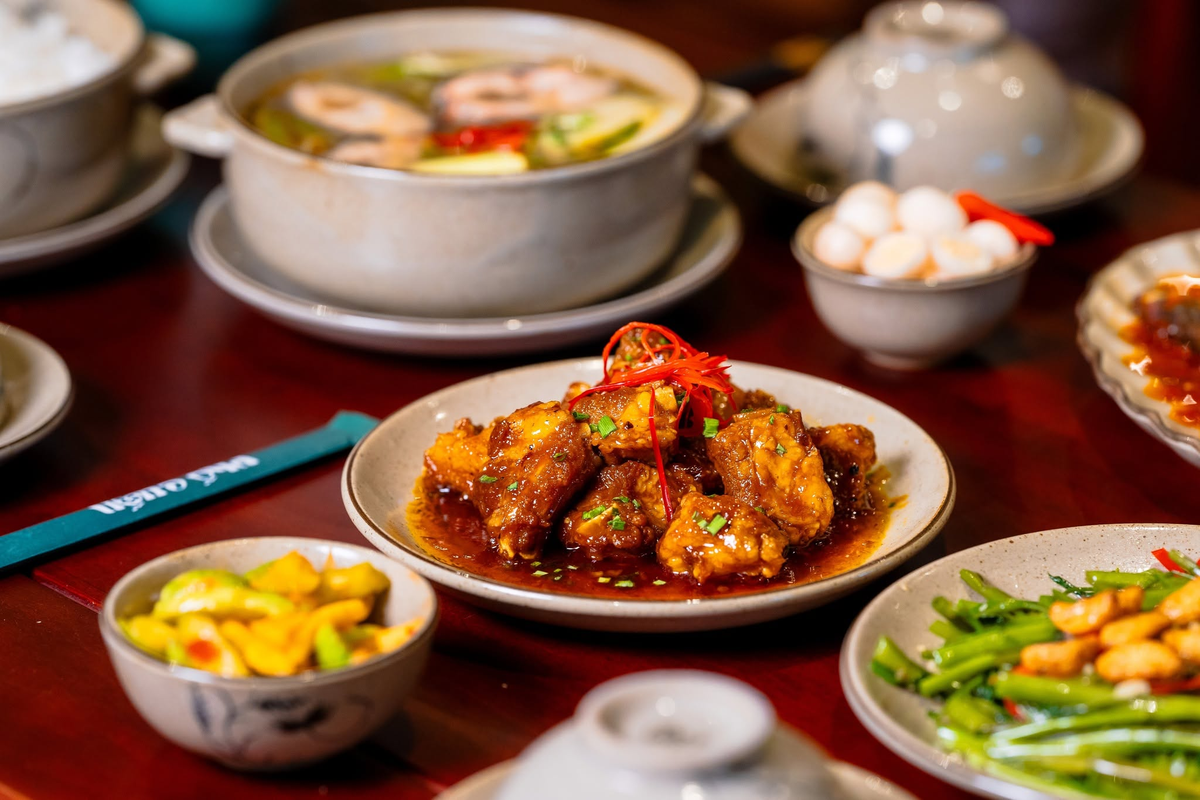
Dishes prepared by braising, simmering, steaming, or stir-frying often provide the main flavors of the meal.
Differences in spices and cooking methods contribute to the culinary identity of each region.
Green Vegetables – Freshness in the Meal
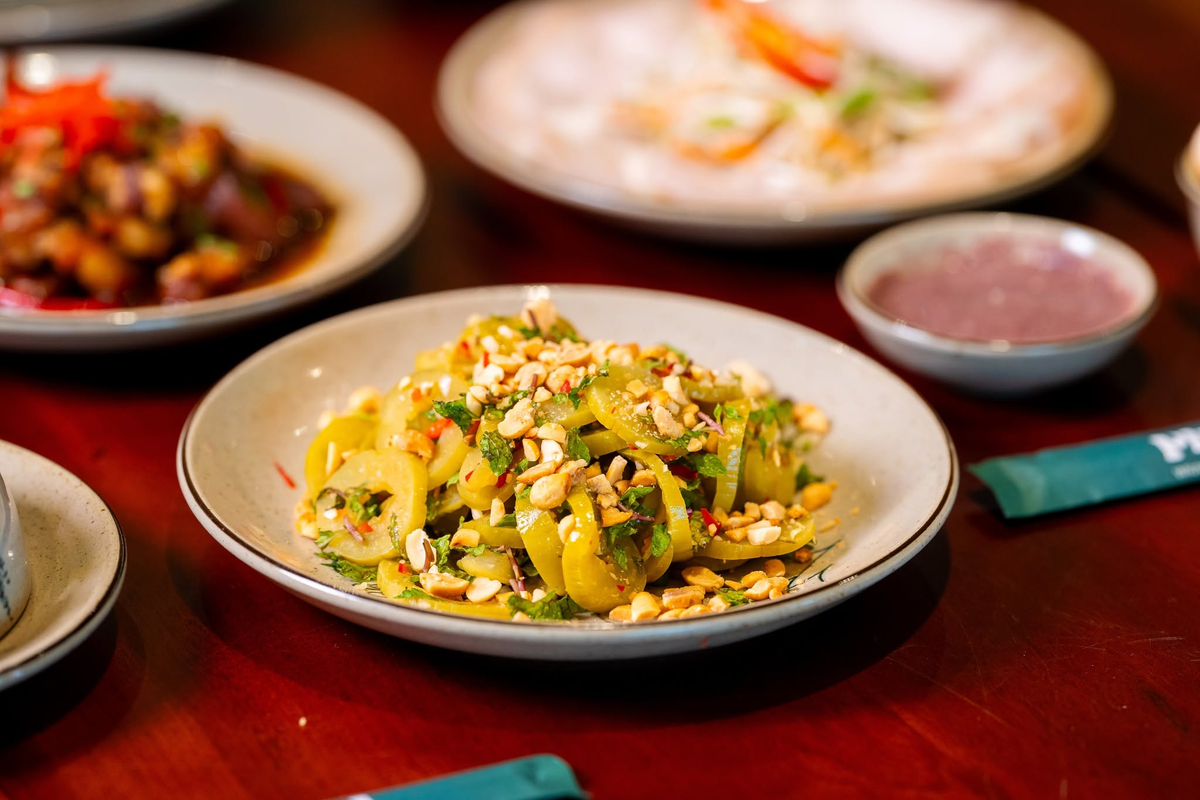
Vegetables are a familiar component in many Vietnamese meals. From simple boiling to stir-frying or preparing with other ingredients, green vegetables add diversity in color and texture to the family meal.
Soup – A Familiar Feature of Family Meals
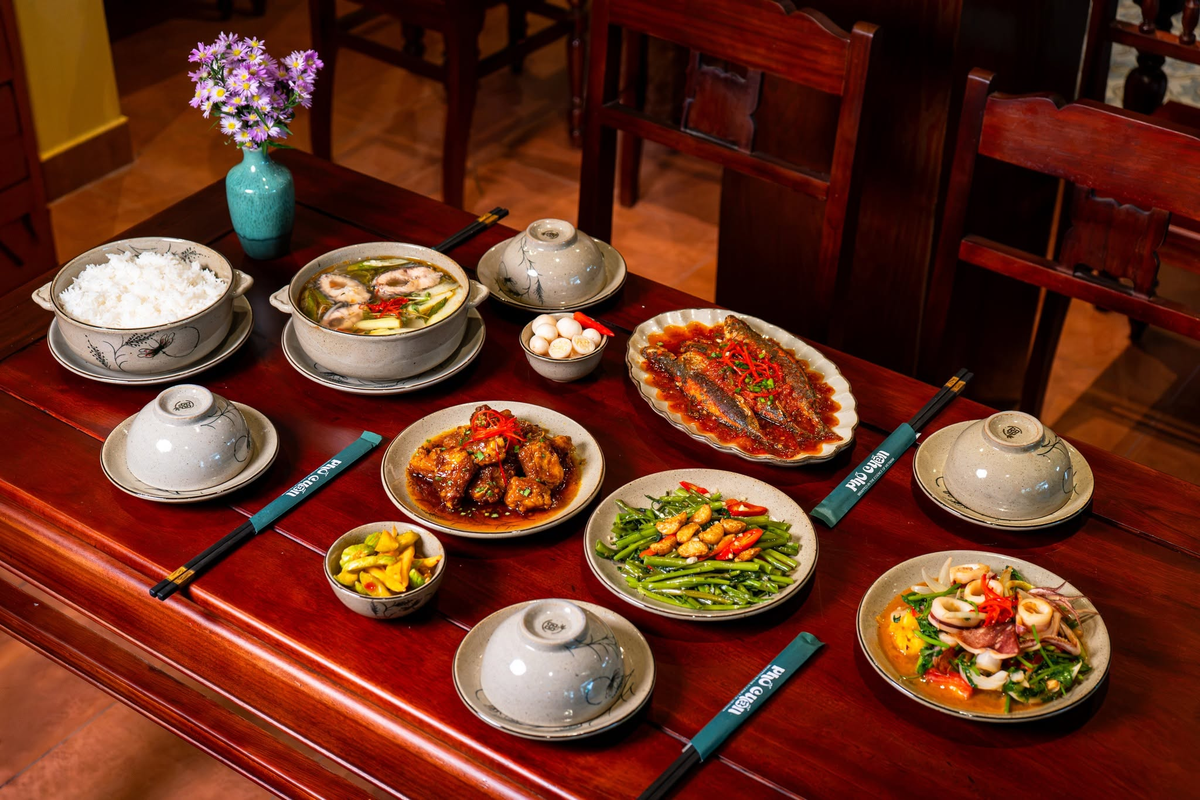
Soups are typically served to complement rice and savory dishes. Depending on the region, soups can have light, subtly sour, or rich flavors.
The combination of different dish categories creates the distinctive characteristic of Vietnamese meal culture: not necessarily elaborate, but emphasizing balance in the dining experience.
4. The Culture of Inviting Others to Eat and Table Etiquette
Besides the flavors, table manners are also an interesting part of Vietnamese culture.
In many families, children and grandchildren often invite grandparents and parents to eat before starting the meal. This is a gesture that shows respect and care for elders.
Meals also often emphasize politeness, from how chopsticks are used and dishes are chosen to showing consideration for those at the table.
For international visitors, these customs can become a fascinating cultural experience when exploring Vietnamese cuisine.
However, modern dining styles have become more flexible. Not all families follow the exact same rituals. What has been maintained across generations is still the spirit of respect and sharing during gatherings around the dining table.
5. The Vietnamese Family Meal in Modern Life
Modern life has brought many changes to the time dedicated to family meals. Work, study, and individual schedules sometimes make it difficult for family members to dine together regularly.
However, weekends, holidays, or reunions still provide opportunities for families to gather around the dining table.
Besides cooking at home, many people choose Vietnamese restaurants to host shared meals. The restaurant setting offers convenience, while the way dishes are chosen and shared still retains the intimate feeling of a traditional family meal.
For visitors, experiencing a Vietnamese meal at a restaurant is also an opportunity to learn about local dining customs, from ordering dishes to the culture of sharing during the meal.
This is precisely why traditional cuisine retains its unique appeal, even as more international culinary styles emerge.
6. Experience the Spirit of Vietnamese Family Meals at Phố Cuốn - Cơm Niêu Cổ Vị
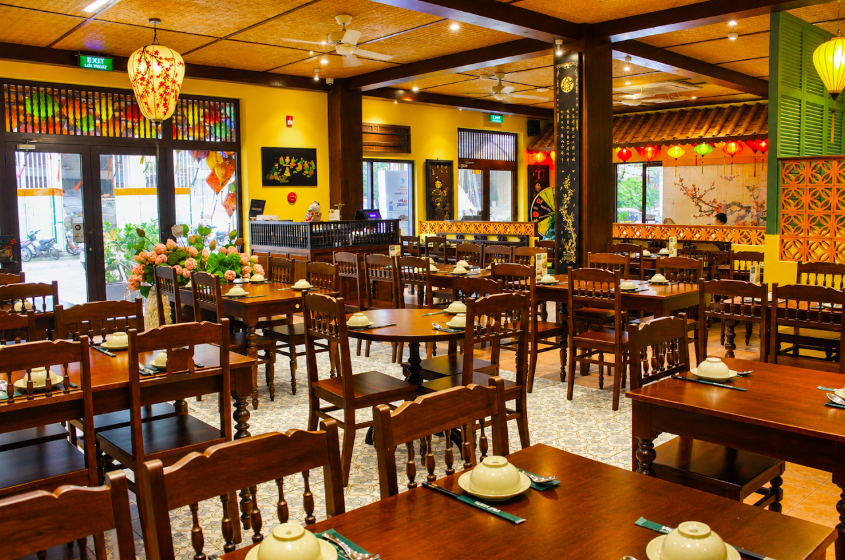
Amidst the bustling An Thuong neighborhood of Da Nang, Phố Cuốn - Cơm Niêu Cổ Vị offers a Vietnamese dining space inspired by traditional street corners.
Located on the 1st floor of Furama Dining House, the restaurant aims for an intimate experience where diners can enjoy meals imbued with the spirit of reunion and sharing.
The ambiance evokes images of old general stores and street corners, combined with Vietnamese culinary style, creating a suitable gathering spot for family, friends, and colleagues.
Instead of being limited to one dining style, guests can choose traditional dish categories and combine them according to their own tastes.
For families wishing to organize a shared meal, this is an occasion for members to choose dishes together, chat, and enjoy time with one another.
For international visitors, the experience at Phố Cuốn - Cơm Niêu Cổ Vị is also a way to approach Vietnamese culinary culture through its ambiance, dining style, and familiar flavors.
You can explore the Phố Cuốn - Cơm Niêu Cổ Vị menu to discover the options currently served at the restaurant.
7. Suggestions for Organizing an Authentic Vietnamese Family Meal
To enjoy a complete family meal, choosing the right setting and combining dishes plays a crucial role.
First, consider the number of family members and each person's preferences. For multi-generational families, familiar and easily shareable dish categories are often convenient choices.
Next, it's good to balance savory dishes, vegetables, and soup to ensure a diverse range of flavors in the meal.
If organizing a meal at a restaurant, you can consult the menu beforehand and discuss table arrangements, especially when dining with a large group.
Most importantly, dedicate real time to conversations. Sometimes, it's precisely those moments of gathering around the family meal that make it truly memorable.
8. Preserving the Beauty of Vietnamese Family Meals Through Gatherings
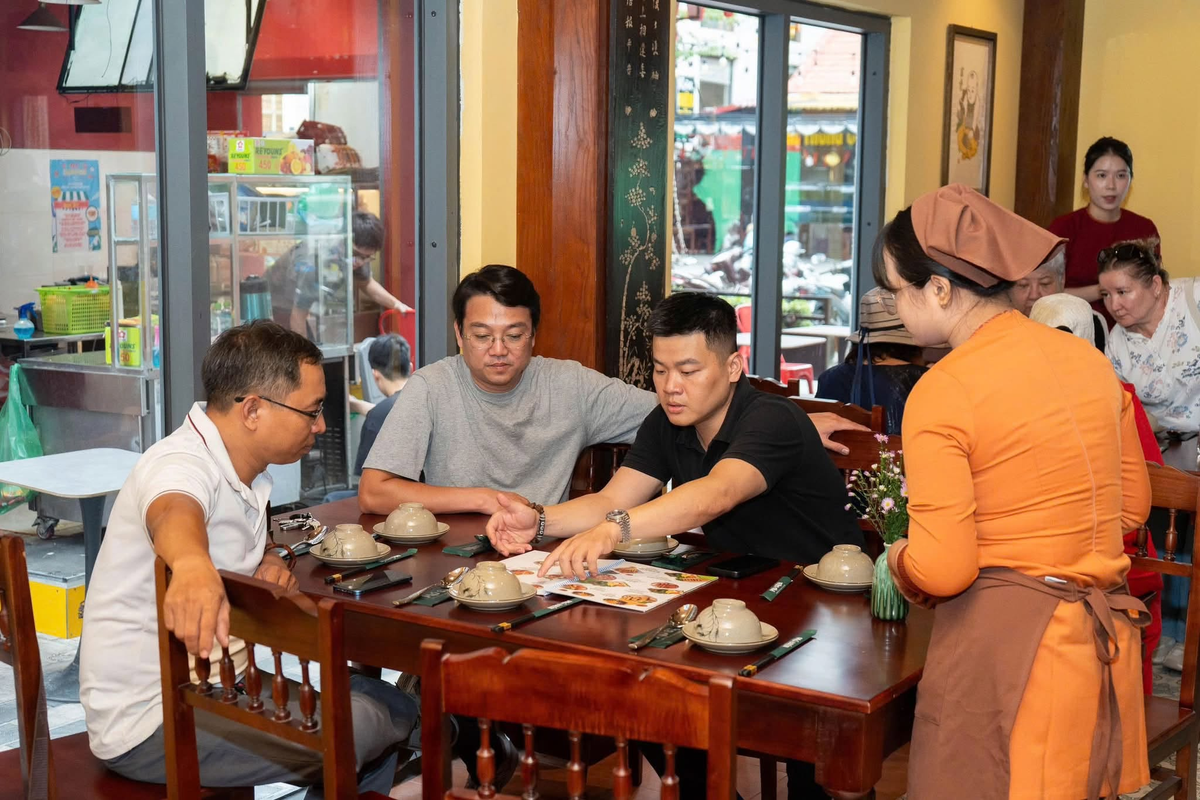
Even as life's pace changes, the value of the Vietnamese family meal is preserved through family dinners and reunions. It's not about elaborateness or the number of dishes; it's the spirit of sharing and the time spent together that creates the special meaning of the meal.
From everyday stories to memorable gatherings, the dining table can always become a place that connects generations.
If you're looking for a place to enjoy Vietnamese cuisine in Da Nang, discover Phố Cuốn - Cơm Niêu Cổ Vị, where traditional flavors blend with the intimate spirit of a family meal.
Phố Cuốn - Cơm Niêu Cổ Vị – True Taste of Việt Nam.
Address: 1st Floor, Furama Dining House, 73 Tran Bach Dang, Da Nang.
Hotline: 0859 555 759.
Explore the menu: https://www.furamadining.com/menus?floor=1F
Book a table: https://www.furamadining.com/dat-ban
FAQ
Frequently Asked Questions
- What is the Significance of Vietnamese Family Meal Culture?
The Vietnamese family meal embodies the spirit of reunion, sharing, and bonding among family members. It's not just a place to enjoy food but also a space for communication and maintaining traditional cultural practices.
- Why Do Vietnamese People Often Share Meals from a Common Table?
The custom of sharing meals from a common table is linked to community and family life. Sharing dishes placed in the center of the table creates interaction and expresses a spirit of togetherness during the meal.
- What Does a Traditional Vietnamese Family Meal Usually Consist Of?
Depending on the region and family circumstances, a Vietnamese family meal typically combines rice, savory main dishes, green vegetables, soup, and side dishes. The components may vary by season and taste.
- Where Can International Visitors Experience Vietnamese Family Meal Culture in Da Nang?
Visitors can choose restaurants that serve traditional Vietnamese cuisine. Among them, Phố Cuốn - Cơm Niêu Cổ Vị on the 1st floor of Furama Dining House is a suggestion to explore the Vietnamese dining style.
- Is Phố Cuốn - Cơm Niêu Cổ Vị Suitable for Family Meals?
The restaurant features a Vietnamese-inspired ambiance and a wide selection of traditional dishes, making it suitable for gatherings and shared meals. For large groups, guests should contact us to book a table in advance.